How High-Quality Vinyl Packaging Can Boost Album Sales
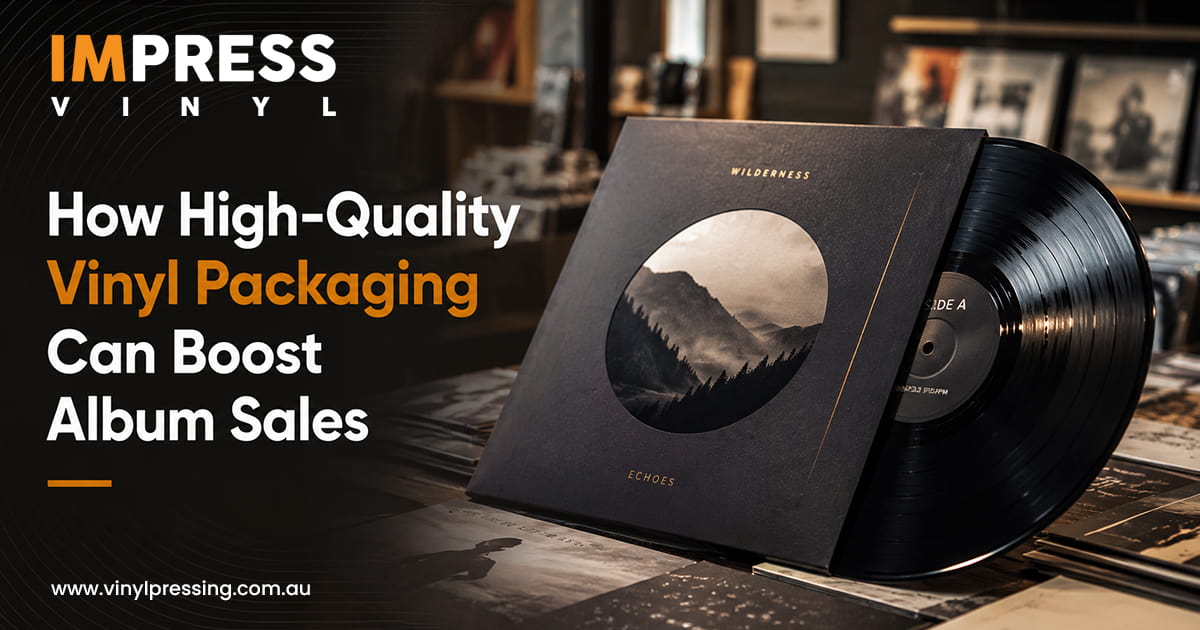
Watch someone in a record store and you’ll notice they almost never just look at the cover. They pick the record up. They turn it over, run a thumb along the spine, maybe slide the sleeve out an inch to see how it sits. None of that has anything to do with what’s pressed into the grooves, and yet it’s doing a huge amount of the selling. Vinyl record packaging isn’t really “the wrapping” around the music, it’s part of the purchase itself, and once you start treating it that way, a few things about your sales numbers start to make a lot more sense.
Why does packaging influence a vinyl buying decision
Vinyl is one of the few music formats left where people are still buying a physical object to own, display, and hand to a friend. So naturally, they judge it the way they’d judge any object, half on instinct, half without even realising they’re doing it. A single-sleeve jacket that feels thin or has soft, curling edges reads as an afterthought, even when the pressing inside is genuinely great. A stiff gatefold with crisp printing and a sleeve that slides in snugly reads as something someone actually cared about. Fans project that impression straight onto the music before the needle ever drops, which is really the whole argument for why vinyl record sleeves and cover stock deserve as much attention as the mastering does.
What does packaging quality actually change in sales terms
It’s easy to treat packaging as a cosmetic line item, something to tidy up once the “real” decisions are made. In practice it moves a few very concrete numbers.
Perceived value is the obvious one. Heavier board stock, a matte or Spot UV, tight, accurate construction, these let a label ask for a higher price without much pushback, simply because the thing in someone’s hands feels like it’s worth that price.
Repeat purchases matter more than people expect too. A collector who trusts that your packaging is consistent, that the last colour variant they bought didn’t arrive warped or with a split seam, is far more likely to pre-order the next one sight unseen. That trust gets built or broken one release at a time.
And then there’s the less glamorous side: returns. Warped jackets, seams that split in transit, sleeves a fraction too loose, these generate refund requests and one-star reviews faster than almost anything else in the whole production chain. Getting the spec right the first time protects your margin just as much as it protects your reputation, maybe more.
How does album cover printing affect first impressions
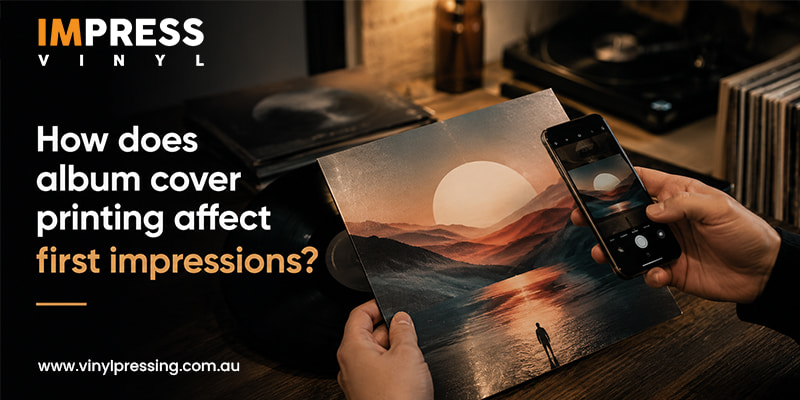
Album cover printing is, without much competition, the most photographed part of any vinyl release. Unboxing clips, shelf photos, Discogs listings, Instagram flat-lays, all of it hinges on how the cover looks under ordinary phone-camera lighting. Colour accuracy, clean registration on the type, a finish that doesn’t pick up scuffs the moment it leaves the shrink wrap, these details decide whether a record looks shareable or looks like it needs a filter to hide something. A cover that photographs badly is, in a very real sense, a cover that underperforms everywhere fans actually discover new vinyl now.
Which packaging choices are worth the investment
Nobody needs to go straight to a lavish box set for their first pressing. But a handful of choices tend to pay for themselves pretty reliably:
- Board weight of at least 300gsm for standard jackets, stepping up to 350gsm for gatefolds carrying multiple discs or a booklet
- Inner sleeves sized properly for the disc, anti-static if the budget stretches to it, since this protects playback as much as it protects presentation
- A print finish that suits the album’s mood, gloss tends to suit bold, saturated cover art, while matte often reads as more restrained and more “collectible”
- Trim and fold accuracy that’s actually consistent, so covers seat flush without gaps, overhang, or that slightly crooked look on the shelf
How does vinyl record pressing quality tie back into packaging and sales
Here’s the thing people miss, packaging and pressing aren’t really two separate decisions, they’re one buying experience wearing two hats. A gorgeous, perfectly printed jacket wrapped around a warped or off-centre pressing does more damage to trust than plain packaging around a great pressing ever would, because the mismatch feels a bit like false advertising. Sourcing vinyl record pressing and vinyl packaging from the same supplier keeps quality control aligned across both, which is exactly where a lot of independent labels get burned when they split pressing and packaging between two vendors who’ve never spoken to each other.
Why work with Impress Vinyl for vinyl record packaging
This is really where Impress Vinyl comes into the picture. With more than 20 years spent pressing vinyl for bands, labels, and corporate clients around Australia, Impress Vinyl handles pressing and packaging under one roof, everything from a single printed sleeve through to triple gatefolds and fully custom box sets. Because it’s all done in-house, the cover stock, the print finish, and the disc itself get checked against one another instead of arriving from two supply chains that were never coordinated in the first place. If you want packaging that’s actually pulling its weight in your sales, rather than quietly working against a great pressing, Impress Vinyl is set up to hand fans both the sound and the object they’ll want to keep.