DIY vs Professional Vinyl Pressing: What’s the Difference
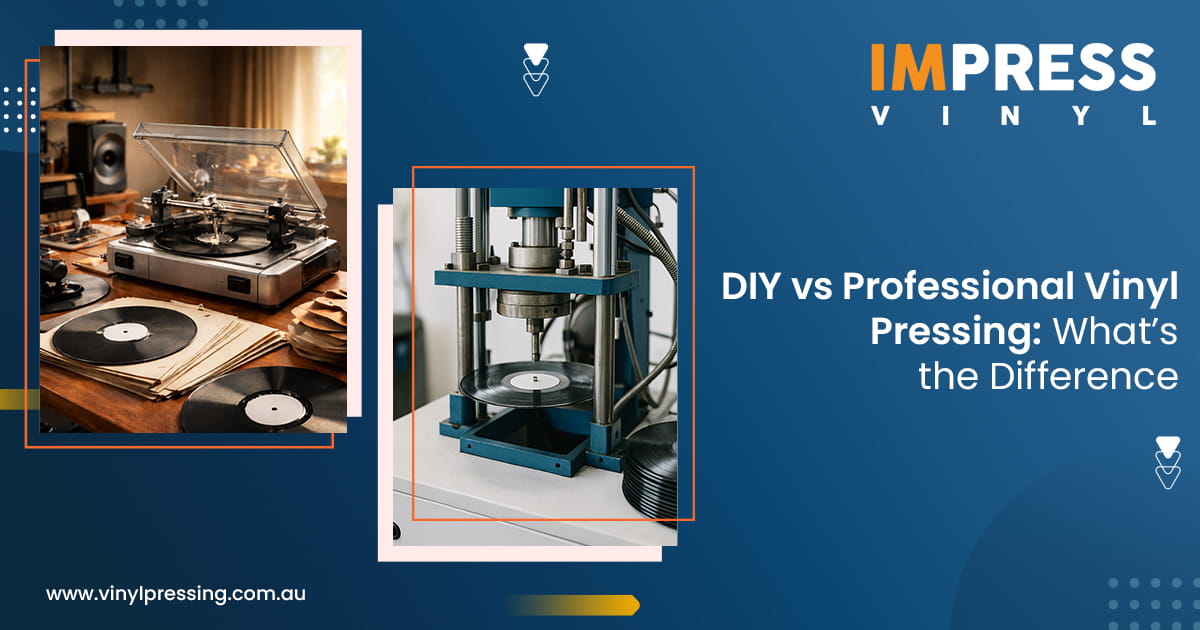
There is a time when you finally finish recording your music. The mixes are clean, the masters sound right, and now you want to hold your work in your hands.
You need a real record and not just another link on a streaming platform. That’s where almost every independent artist or small label hits the same question: Do you do it yourself or hand it over to experts?
At the same time, independent musicians say physical production costs are their biggest release barrier. That is the tension of creative control vs cost, speed vs quality.
Let’s discuss what actually separates DIY vinyl pressing and professional vinyl pressing.
What Does DIY Vinyl Pressing Means
DIY does not mean that pressing records in your garage like baking cookies. It usually means you manage the process yourself finding small-batch services, sourcing materials, handling artwork, approving test pressings, and coordinating shipping.
What Does Professional Vinyl Pressing Means
Going professional means working with an established pressing plant or managed service that handles lacquer cutting, plating, pressing, packaging, and quality checks as a system. You still make creative decisions but the best part is that you are not chasing suppliers or fixing mistakes alone.
Cost Comparison: DIY vs Professional Vinyl Pressing
Cost Structure with DIY Vinyl Pressing
DIY often looks cheaper at first glance. Smaller batch sizes, fewer bundled services, and more flexibility can feel friendly to tight budgets.
But here is what artists don’t always calculate:
- Multiple shipping fees from different vendors
- Paying separately for mastering adjustments
- Replacing defective pressings
- Time lost coordinating everything
Let’s take an example of an indie band ordered 100 records using separate vendors for cutting, pressing, and vinyl record sleeves. The initial quote was low, but after fixing warped discs and reprinting sleeves, the final cost jumped by nearly 35%.
Cost Structure with Professional Vinyl Pressing
Professional services usually cost more upfront, but the pricing is clearer. You are easily paying for fewer surprises, built-in quality checks, and predictable timelines.
If you are planning to sell records at shows or online, consistency matters. A bad batch can cost you more than you saved.
Sound Quality: What Listeners Actually Hear
DIY Sound Risks
Sound quality depends heavily on experience. If you are new, small mistakes matter:
- Incorrect file formats
- Poorly prepared masters
- No clear reference checks
Your track might sound great digitally but lose punch or clarity once pressed.
Professional Audio Consistency
Professionals work with vinyl-specific mastering standards every day. They know how bass behaves,, and how to prevent distortion near the center of the record.
This isn’t about fancy techniques. It is about avoiding mistakes that permanently live in the grooves.
Production Timelines: DIY vs Professional Pressing
DIY Timelines
DIY timelines are unpredictable. One delay stacks onto another. A late stamper delivery pushes pressing. A printing error delays packaging.
If you’re planning a tour release or festival drop, this matters.
Professional Scheduling
Professional plants work on schedules. You get clearer production windows and realistic delivery estimates. That reliability is often the difference between launching confidently and apologizing to fans.
Managing Creative Control in Vinyl Pressing
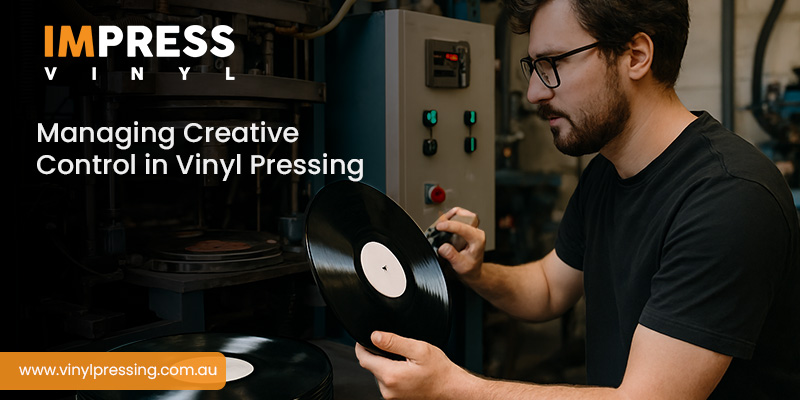
Creative Control in DIY
DIY gives you full control. Colors, weights, packaging styles you decide everything. That is powerful and especially for artists creating custom vinyl records as collectibles.
But control also means responsibility. If something goes wrong, there is no buffer.
Guided Control with Professionals
Professional services do not take away your vision. They help translate it into something manufacturable. They will tell you if a design won’t work before it becomes a costly mistake.
Think of it like working with an experienced producer instead of recording alone.
Quality Assurance: Where Mistakes Are Caught
DIY Quality Checks
In DIY setups, you are the quality control department. It means you approve test pressings, inspect shipments, and deal with defects.
If you miss something early, fixing it later can be expensive.
Professional Vinyl Pressing
Professionals have structured checks at every stage. Test pressings are evaluated with trained ears. Pressing runs are monitored. Packaging is checked before bulk shipping.
That system protects your work when volume increases.
Production Scalability in Vinyl Pressing
DIY and Growth Limits
DIY works well for small batches or passion projects. But scaling up can break the system. Vendors that handle 50 units may struggle at 500.
Professional Scalability
Professionals are built to scale. Whether you press 300 or 3,000, the process stays stable. That matters if your release performs better than expected.
Vinyl Distribution and Logistics
DIY Logistics Headaches
DIY often means managing storage, shipping, customs, and replacements yourself. If you are shipping internationally, this gets complicated fast.
Professional Fulfillment Support
Many professional services integrate storage and distribution. That results in less stress and fewer late-night tracking number searches.
Regional Factors Matter More Than You Think
If you are considering vinyl pressing in Australia, logistics become even more important. Shipping lacquers overseas increases risk and time. Local professional plants reduce transit issues and help with region-specific standards.
DIY approaches in remote markets can quickly become costly due to freight and delays.
Real-World Decision Scenarios
When DIY Makes Sense
- Limited run for a fan club
- Art-driven experimental release
- Learning the process hands-on
- No strict deadline
When Professional Is the Better Call
- Commercial release
- Tour merch
- Label-backed project
- Retail distribution
The Hidden Emotional Cost of Vinyl Pressing
This is not talked about enough. DIY can be stressful. Coordinating vendors, chasing updates, fixing mistakes and it takes mental energy away from creating music.
Professional support lets you focus on what you actually want to do: write, perform, and connect with listeners.
Conclusion
The choice is not about being more authentic or more serious. It is always about matching the process to your goals.
If you enjoy managing details and experimenting, DIY can be fulfilling. If you want predictable results, consistent quality, and fewer surprises, professional support makes sense.
Ask yourself one simple question: Do I want to manage the process, or do I want to trust the process?
That answer usually points you in the right direction.
If you are ready to turn your music into high-quality vinyl without the stress of managing every step, explore professional solutions with Impress vinyl that match your sound, scale, and release goals.