The Ultimate Guide to Choosing a Vinyl Record Cleaning Kit
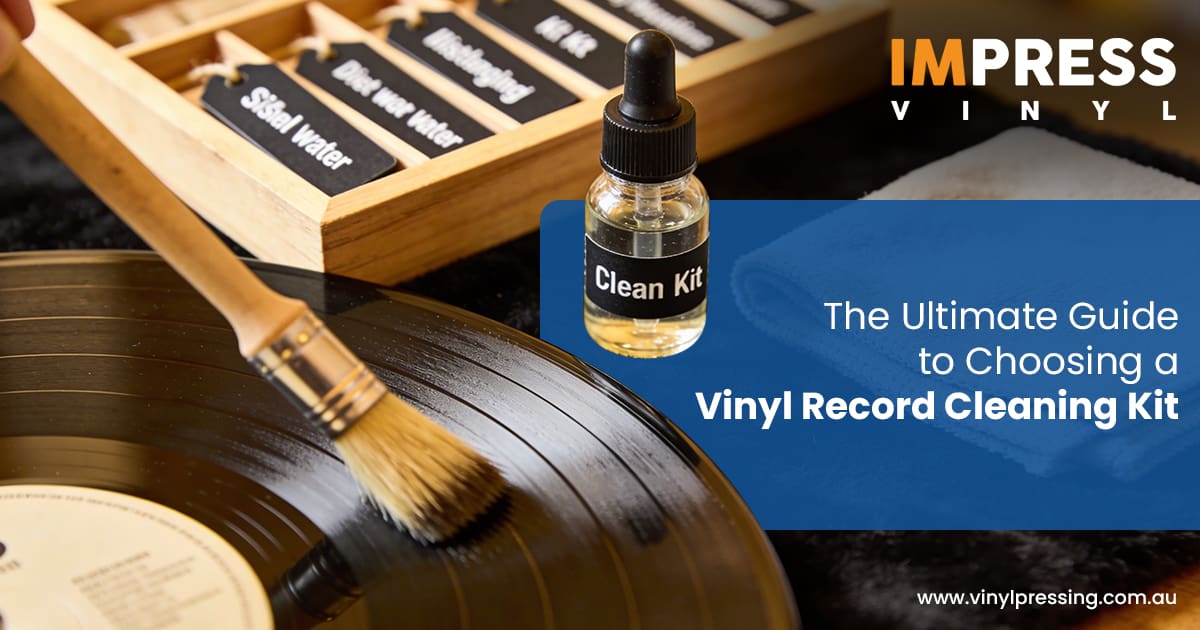
There was a day when all records removed from the shelf guaranteed an excellent listening experience. However, constant crackling noises interfered with the experience.
Many people believe that these noises are due to worn-out records. However, most records are not actually worn out — they’re simply dirty. The reality is that most issues with records are due to accumulated dust and dirt on the records.
Due to an increase in vinyl record sales over the last 15+ years consecutively, it has become more important than ever to clean vinyl records. The observations of the industry suggest that most sound degradation issues are due to incorrect cleaning.
Cleaning vinyl records has become essential to all collectors. Therefore, it has become essential to learn how to clean vinyl records properly.
Why Cleaning Vinyl Records Is Non-Negotiable
Vinyl records store sound physically in microscopic grooves. Unlike digital formats that store binary data, vinyl reproduces sound through direct physical contact between the stylus and the groove walls.
When you clean your records properly, you can expect:
- Surface noises are reduced to a minimum.
- Stylus wear is reduced.
- Groove integrity remains intact.
- Sound quality is greatly improved.
If you’ve upgraded your audio system but still notice distortion or dullness, unclean records are often the culprit.
Types of Contamination Found on Vinyl Records
Before you can buy a cleaning kit, it is essential to understand what type of contaminants are on your records.
-
Surface Dust:
These are loose particles resting on the record surface, typically removable with dry brushing.
-
Embedded Debris:
Microscopic particles that are embedded deep within grooves, which require wet cleaning to properly remove them.
-
Fingerprints and Oils:
Particles left behind by human handling, which attract other dust particles and can become difficult to remove over time.
-
Mould Release Compounds:
Particles left behind by the manufacturing process, which are most commonly found on new records.
-
Static Charge:
Charges that attract dust particles, causing noise on the record.
Each of these requires a slightly different process, which is why it is important to select the right cleaning kit for the job.
Understanding What Makes a Good Cleaning Kit
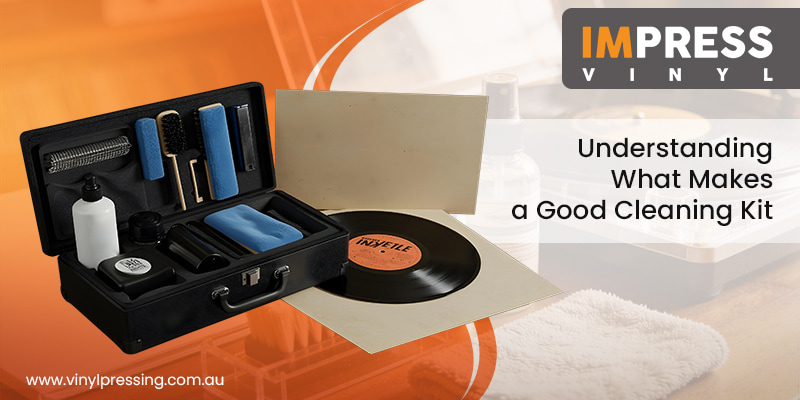
When it comes to cleaning, not all kits are created equal. Some are nothing more than glorified spray bottles, while others are highly advanced systems designed specifically with the serious collector in mind. Before purchasing, it is important to understand the difference between a good cleaner and one that is more suited to the hobbyist.
A good vinyl record cleaning kit should include:
- A good quality cleaning solution
- A good quality brush, preferably one that is anti-static
- A good quality lint-free microfiber cloth
- A good quality drying solution
- Optional: Stylus Cleaner
Without all of the above, it is impossible to properly clean the record.
The Complete Step-by-Step Guide to Cleaning Vinyl Records
Step 1: The Cleaning Solution – What’s Actually Inside?
This is where most people go wrong. Avoid cleaners found in most stores, as they will more often than not contain alcohol, which can dry out the record over time. What you want to look for is a solution that is specifically designed to:
- Break down oils
- Remove dirt particles from the grooves
- Evaporate cleanly
- Remove static charge
Avoid using distilled water alone, as it lacks the necessary surfactants to remove dirt particles embedded deep in the grooves of the record. Professionals often look for enzyme cleaners or lab-grade cleaners.
These are typically the best record care supplies on the market, as they are specifically designed to clean deep into the grooves of the record.
Step 2: The Brush – More Important Than You Think
The most common mistake made by those new to cleaning their vinyl records is using any soft brush. However, this is risky and the ideal brush should have:
- Carbon fibre bristles
- Anti-static
- Fine and densely packed fibres
Carbon fibre brushes are ideal as they reach into the micro-grooves without scratching. They also have anti-static properties, and static electricity is one of the biggest dust magnets. If the cleaning kit comes with a thick and fluffy brush, it may look good but may not necessarily clean well.
Step 3: Microfiber Cloth Quality
Microfiber cloths are not created equal. Low-quality clothes will shed their fibres and defeat the purpose. Therefore, the ideal cloth should:
- Be lint-free
- Be ultra-soft
- Absorb the cleaning solution well
- Leave no residue
Pro Tip: Be sure to have one cloth for wet cleaning and one cloth for drying.
Step 4: Manual vs. Machine Cleaning
If you own 20-50 records, then a manual vinyl record cleaning kit will suffice. However, if you own 200+ records, then it’s time to think about investing in a vacuum or ultrasonic cleaning machine.
These machines will clean deep into your records, remove impurities from the record, and not spread the dirt around. They will even clean consistently.
Ultrasonic cleaners use high-frequency sound waves to clean your records at the molecular level. They are an investment but are worth it if you are an avid collector.
Step 5: Anti-Static Protection
Static electricity will attract dust like a magnet. If your record has static electricity, then you will know it by these signs:
- Instant dust attraction after cleaning
- You feel static when touching the record
- Excessive crackling sounds
Some kits even include anti-static spray or grounding equipment. If you have a dry listening space, especially if it is air-conditioned, anti-static treatment is a must.
Step 6: Drying – The Most Overlooked Step
Cleaning records without proper drying is like washing a car, then leaving muddy water on the car’s surface to evaporate.
Air-drying vertically in a dust-free environment is best. Never stack wet records, and if your kit includes a drying rack, then that’s a bonus.
Investing in a separate item, a vinyl drying stand, is a good idea if a drying rack is not included.
Common Mistakes That Damage Records
Some common mistakes that even experienced collectors do:
- Using tap water instead of distilled water
- Using too much pressure with the cleaning brush
- Using paper towels, which can scratch records
- Playing records before they are completely dry
- Storing records in old inner sleeves
A good quality vinyl cleaning kit can minimize all of these possible mistakes if used correctly. A single improper cleaning session can cause permanent damage to the grooves.
How Often Should You Clean Your Records?
To answer this, let’s break it down:
- New records: Clean before playing
- Frequently played records: Clean every 5-10 plays
- Long-stored records: Clean before playing
Even records that have their seal still on can contain residue from the pressing plant.
Cleaning Solutions Based on Your Vinyl Record Collection Size
Small Collection (Under 50 Records):
A simple, high-quality manual cleaning kit is more than enough. You can even go for a quality cleaning solution and a carbon brush.
Medium Collection (50-200 Records):
Always look for a more advanced manual cleaning system with a drying rack and stylus cleaner.
Large Collection (200+ Records):
You can invest in vacuum-based or ultrasonic systems. It saves time and ensures deep cleaning.
Storage Matters Too
Cleaning is half the battle, but storage is the other half that will protect your records and cleaning efforts.
Use:
- Anti-static inner sleeves
- Upright storage only, no stacking flat
- Cool, dry storage
- Outer protective sleeves
Humidity levels between 40% and 50% are ideal, and too much moisture will cause mold growth.
A dirty stylus will re-contaminate your records instantly. Don’t forget to clean your stylus every 5-10 plays with a brush or a cleaning pad. Never use a liquid cleaner on a stylus unless recommended by the manufacturer.
Professional Checklist Before You Buy
Before you even go out and buy a cleaning kit, ask yourself:
- Is a safe and tested solution included?
- Is a carbon fibre brush included?
- Is drying included?
- Are replacement fluids included?
- Is it suitable for cleaning 7”, 10”, and 12” records?
Final Thoughts
Vinyl records represent craftsmanship, nostalgia, and even financial value, especially if you collect limited edition records that will only increase in value over time. When you clean your records, you’re not only ensuring a better sound quality, you’re also protecting a financial asset.
A well-thought-out purchase today will save you from irreversible groove damage tomorrow. So, don’t make cleaning an afterthought; make it a part of your record-listening experience.
Because nothing beats that moment when you put on your record, and you only hear that sweet, sweet music.
Looking to press your own records? Choose Impress Vinyl to ensure superior audio quality, premium materials, and flawless production from master to final record.