Why Vinyl Record Texture Matters in Premium Printing & Packaging
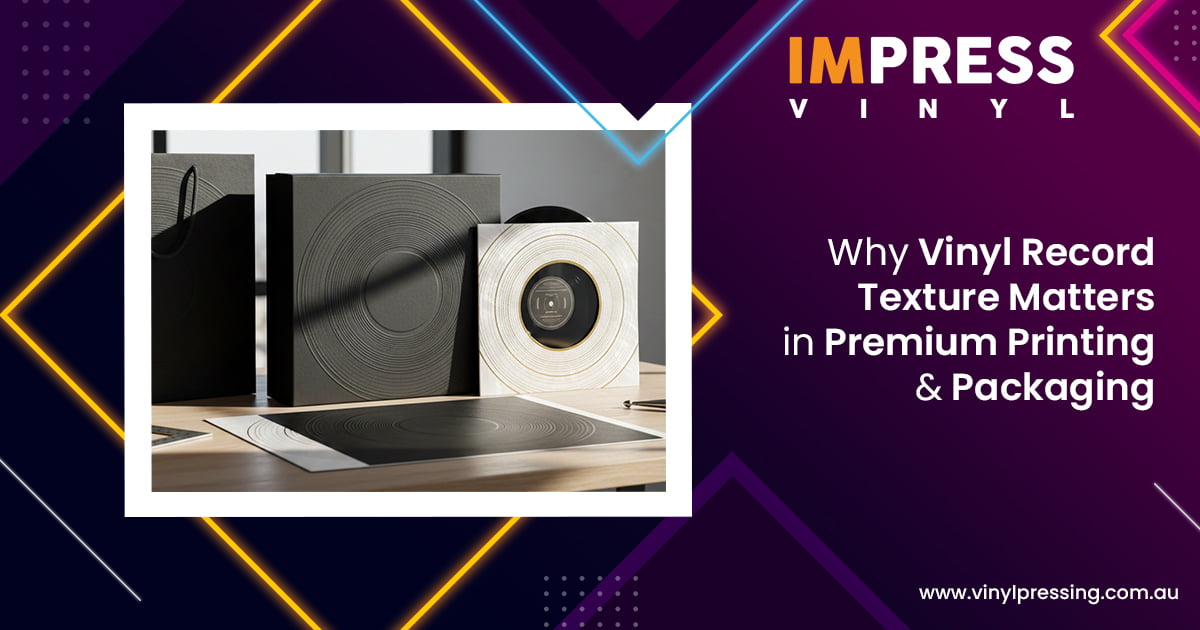
How many times have you picked up a record, felt the sleeve for two seconds, and immediately decided whether it felt premium or forgettable?
Well, that moment matters more than most brands realize.
It is purely based on look and feel. And in physical music retail, that number climbs even higher because vinyl buyers expect a sensory experience.
If the record sleeve feels flat, slippery, or mass-produced then your brain quietly files it under “average.”
That is why texture is not a design afterthought. It is the first handshake between your record and your listener.
In this blog, we will talk about why texture matters, how it changes perception and where most brands get it wrong.
The Emotional Role of Touch in Vinyl Culture
Vinyl is not just about sound. It is also about ritual. From sliding the record out of the sleeve to placing it gently on the turntable, every step involves touch.
That tactile connection is one of the reasons vinyl sales continue to grow.
Touch Creates Memory, Not Just Impressions
When someone remembers a vinyl record years later, they do not just remember the songs. They remember:
- How the cover felt in their hands
- The resistance of the sleeve
- The weight and finish of the material
Most importantly the texture creates physical memory, it lasts longer than your visual memory.
Think about the difference between holding:
- A smooth, glossy magazine
- A thick, slightly rough, matte-finished record sleeve
You instantly assign more value to the second and even before reading a single word.
Why Flat Printing No Longer Works for Premium Vinyl
Flat, smooth printing has become the industry default. And when everything looks the same, nothing feels special.
The Problem With Good Enough Packaging
Many labels invest heavily in:
- Recording quality
- Mastering
- Album artwork
But then compromise on the final step and that’s the physical experience.
Here is what happens when texture is ignored:
- The record blends into the stack
- Collectors feel less inclined to showcase it
- The packaging ages poorly over time
- The product feels mass-produced instead of intentional
This is where textured vinyl packaging quietly changes the entire perception of the product without screaming for attention.
How Texture Signals Quality Before a Word Is Read
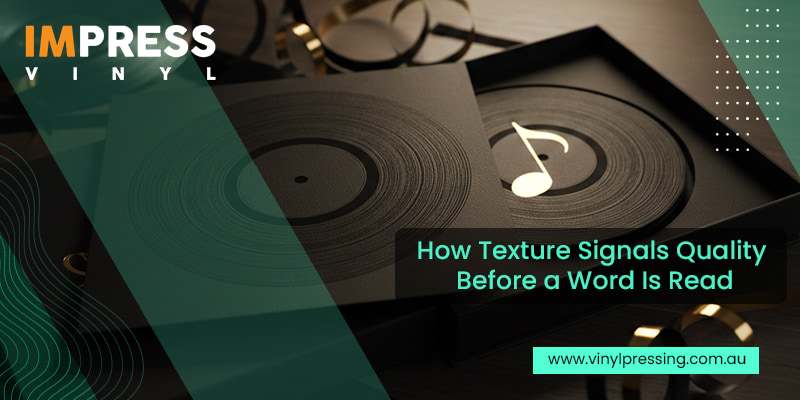
Texture communicates before text does. You may be wondering how? You don’t need a label saying “limited edition” if the sleeve itself feels rare.
Texture as a Silent Quality Marker
-
Rough or grainy finishes:
artistic, raw, authentic
-
Soft-touch matte:
modern, premium, intentional
-
Embossed details:
craftsmanship, effort, exclusivity
-
Heavier materials:
durability and long-term value
Collectors may not articulate this consciously but their buying behavior reflects it.
The Collector’s Perspective: Why Feel Matters More Than Flash
Collectors do not want over-designed packaging. They want meaningful design.
Example: Indie Label vs Mass Release
Let us compare two real-world scenarios:
Album A
- Bright artwork
- Glossy, smooth sleeve
- Lightweight board
Album B
- Minimalist artwork
- Slightly textured surface
- Thick stock with subtle embossing
Even if Album A looks louder, Album B feels more “collectible.” Many buyers will choose B even at a higher price because it feels like it will age well.
This is why premium vinyl record packaging often relies more on material and finish than on excessive visual effects.
Texture and Storytelling Go Hand in Hand
Texture should not be random. It should support your album’s story.
Matching Texture With Music Genre
Smart packaging designers match texture to sound:
- Jazz or classical records
- Soft-touch, fabric-like finishes
- Calm, refined tactile experience
- Rock or punk albums
- Raw, uncoated, slightly rough surfaces
- Feels rebellious and unpolished
- Electronic or experimental music
- Clean matte finishes with sharp embossing
- Feels futuristic and controlled
When the feel matches the sound, the product feels complete.
Why the Sleeve Is Just as Important as the Outer Cover
Many people like you focus only on the jacket and forget what happens next.
The Inner Experience Matters
The moment someone pulls the record out, their fingers touch the inner sleeve. That experience either continues the premium feeling or breaks it.
A carefully chosen vinyl sleeve texture can:
- Reduce static
- Protect the record better
- Make handling feel smoother and more intentional
- Signal that the label cares about longevity, not just looks
Collectors notice these details. They may not post about them online but they remember them when deciding which labels to trust in the future.
Texture Helps Your Record Age Better Over Time
Vinyl is meant to last decades. Packaging should too.
How Texture Improves Longevity
Textured and matte surfaces:
- Hide fingerprints better
- Show less wear over time
- Maintain a consistent look even after repeated handling
Glossy finishes, on the other hand, tend to scratch easily, smudges and even look worn much faster.
For collectors who frequently play their records, this difference matters more than aesthetics.
Pricing Psychology: Why People Pay More for Better Feel
Buyers are willing to pay more for a physical product that feels premium. And even if the content inside is identical. This has been proven across books, cosmetics, and yes, vinyl records.
Texture Justifies the Price Tag
When someone pays extra for a record, they want to feel where that money went.
Texture provides that proof instantly:
- No explanation needed
- No sales pitch required
- No comparison necessary
The hands understand value faster than the brain.
Avoiding Overdesign: When Texture Becomes Too Much
Texture is powerful, but more is not always better.
Common Mistakes to Avoid
- Using too many finishes at once
- Choosing texture that conflicts with the music
- Adding embossing just because it looks “premium”
- Sacrificing durability for novelty
The best packaging choices feel natural, not forced. Texture should support the experience, not distract from it.
Texture as a Differentiator in a Crowded Market
Thousands of vinyl releases come out every year. Standing out visually is hard. Standing out physically is easier.
When someone flips through records in a store or unboxes an online order, touch becomes the differentiator.
This is where thoughtful vinyl record packaging quietly wins and not by being louder, but by being more memorable.
Conclusion
Before the artwork is studied, the buyer touches your record. That moment sets expectations for everything that follows.
Texture tells them that Vinyl is made with care, it is worth keeping and this belongs in your collection.
In premium printing and packaging, texture is not decoration. It is communication. And when done right, it speaks louder than any label, sticker, or tagline ever could.
At Vinyl Pressing, every record is produced with a deep understanding of how print quality, material choice, and tactile finish shape the listener’s experience.
If you are planning a release and want your vinyl to make the right impression from the very first touch, Impress Vinyl is ready to help bring that vision to life.